Standard grades
463 and 463(II)
The base ultramarine blue grades of the range, the reference point for strength and shade in the brochure charts. General use in plastics, rubber, paint and printing inks.

Pigments & Colorants · Ultramarine Blue
Eleven ultramarine blue grades for plastics, rubber, paint, powder coating, inks, paper, soap and cosmetics, with FDA, EU food contact, RoHS and EN71-3 certificates, and tinting strength charted against traditional ultramarine.
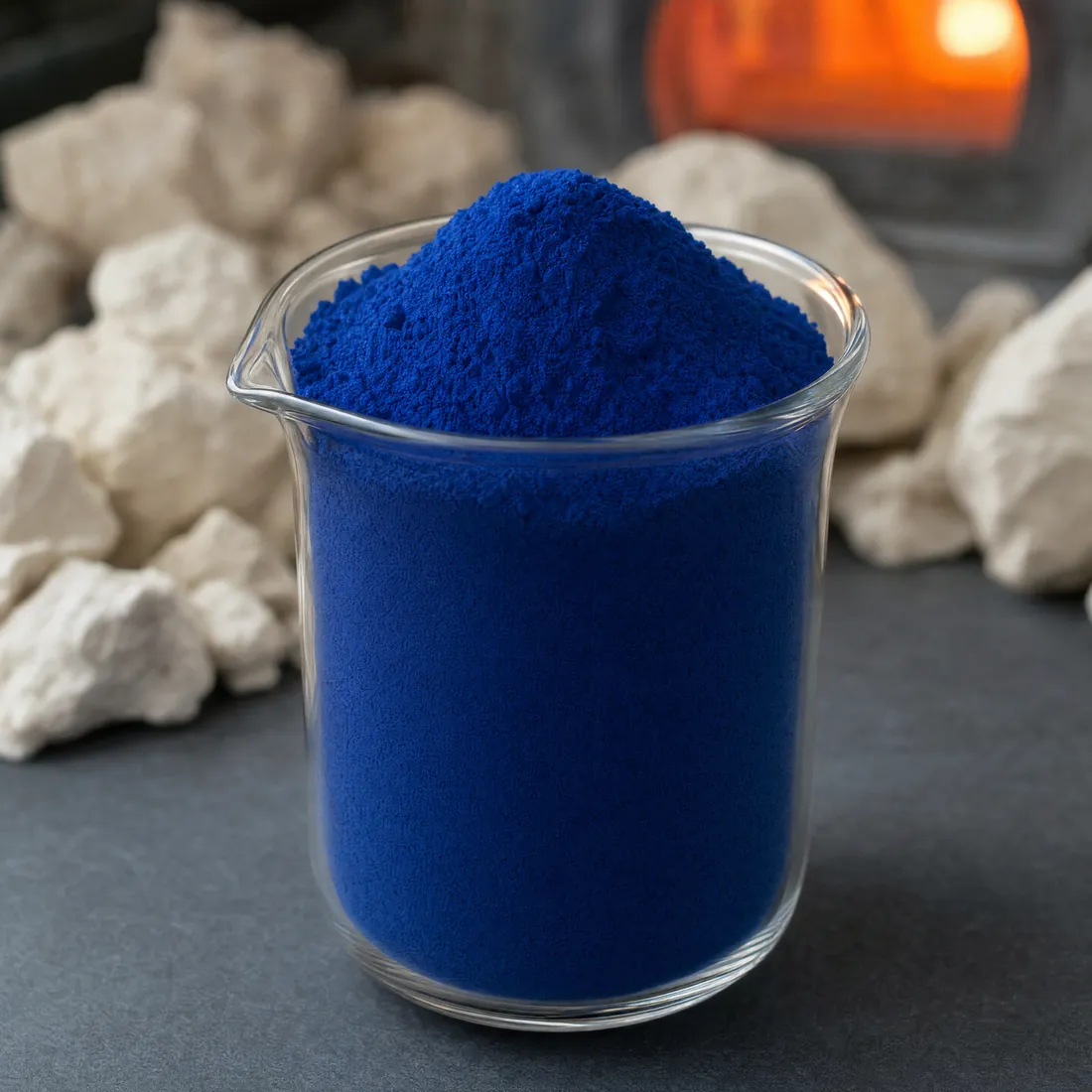
Product detail
The brochure sorts the eleven grades by recommended use across plastics, rubber, paint, printing inks, powder coating, paper coating, soap and detergents and cosmetics, and compares them by tinting strength and colour difference (DE) against traditional ultramarine.
Standard grades
The base ultramarine blue grades of the range, the reference point for strength and shade in the brochure charts. General use in plastics, rubber, paint and printing inks.
Tl136 · Tl139 · Tl206 · Tl463 · Tl1515 · Tl58 · 800
Grades tuned by strength and shade for specific systems, from paint and powder coating to paper coating, soap and detergents. Higher tinting strength than traditional ultramarine on the chart.
Higher performance
The grades at the top of the strength chart, for uses where colour yield per kilo and heat matter most, such as plastics and powder coating. Ask the pigment team which of the two fits your system.
Where it goes
Before you order
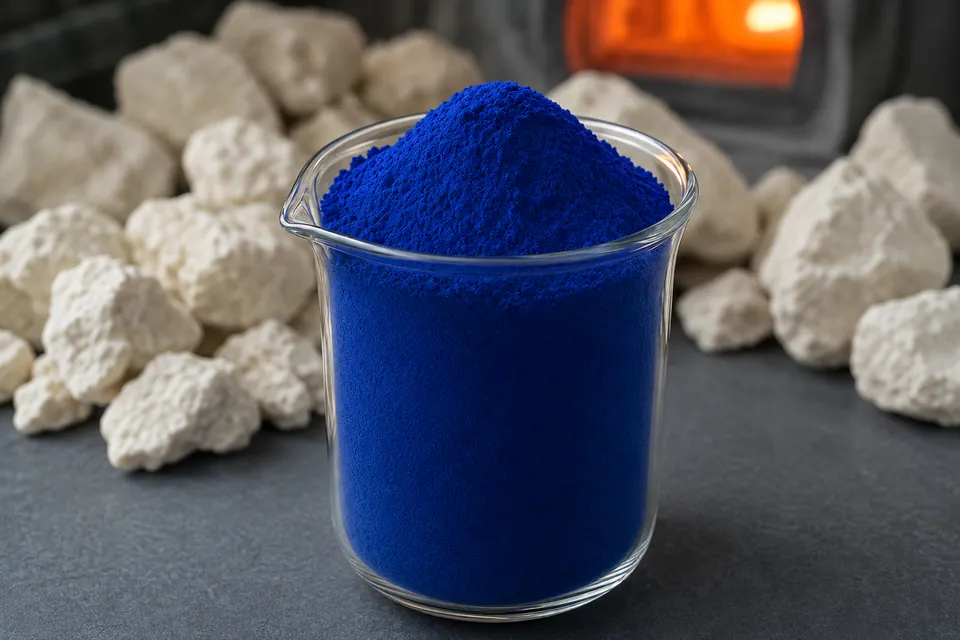
It is a red shade blue that no phthalo grade reproduces, and it does not migrate. The pigment is stable to 350°C, so it survives plastics processing, and it carries food contact and toy safety certificates that let it go where other blues cannot.
A deep blue leaning to violet. Set it next to phthalo blue and the difference is obvious: phthalo pulls green, ultramarine pulls red. The brochure charts each grade by color difference and tinting strength against traditional ultramarine so you can match on numbers.
The historic price came from lapis lazuli, ground stone from Afghanistan. Synthetic ultramarine has been made since the 1820s from kaolin, sulphur, soda and a carbon source fired together, and it sells at industrial pigment prices. Ask for a quote by grade and volume, the number will surprise anyone who read the art history version.
Different chemistry, different behavior. Prussian blue is an iron cyanide complex, greener and unstable in alkali. Ultramarine is a sodium aluminosilicate with sulphur, redder in shade, alkali stable and heat stable to 350°C, which is why plastics and detergents use it.
The range carries FDA and EU AP(89)-1 food contact approval, RoHS and EN71-3 for toys, and specific grades are cleared for cosmetics. It contains no heavy metals as colorant. Tell the pigment team the end use and they send the certificate that covers it.
Strategic partners
Write directly to the partner team, or send the short application. It reaches Hongda's partner team by email.
info@hongda-chem.comOr call the group directly: +86 574 87907888