Mesh 17 to 165
EC Screens · 易可网
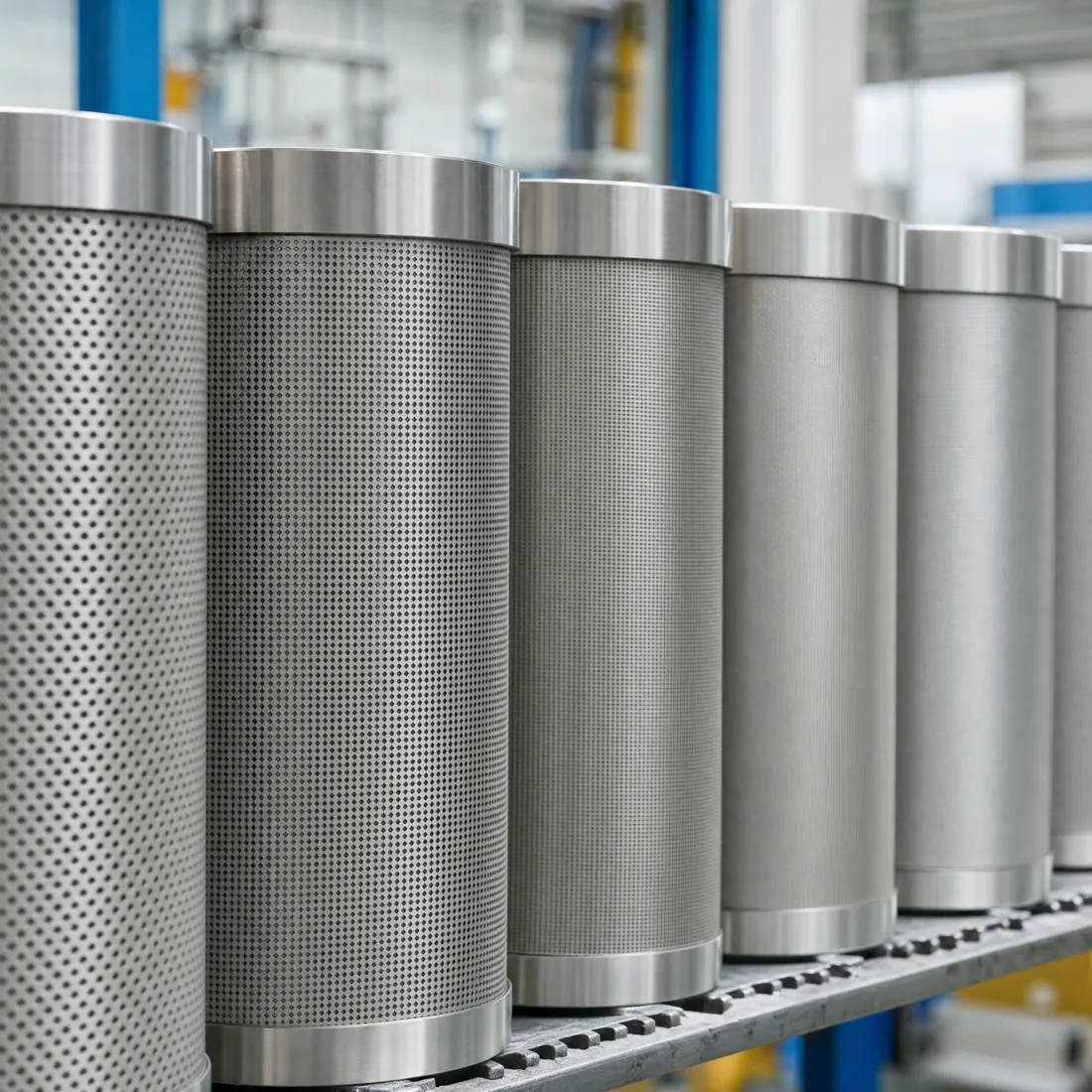
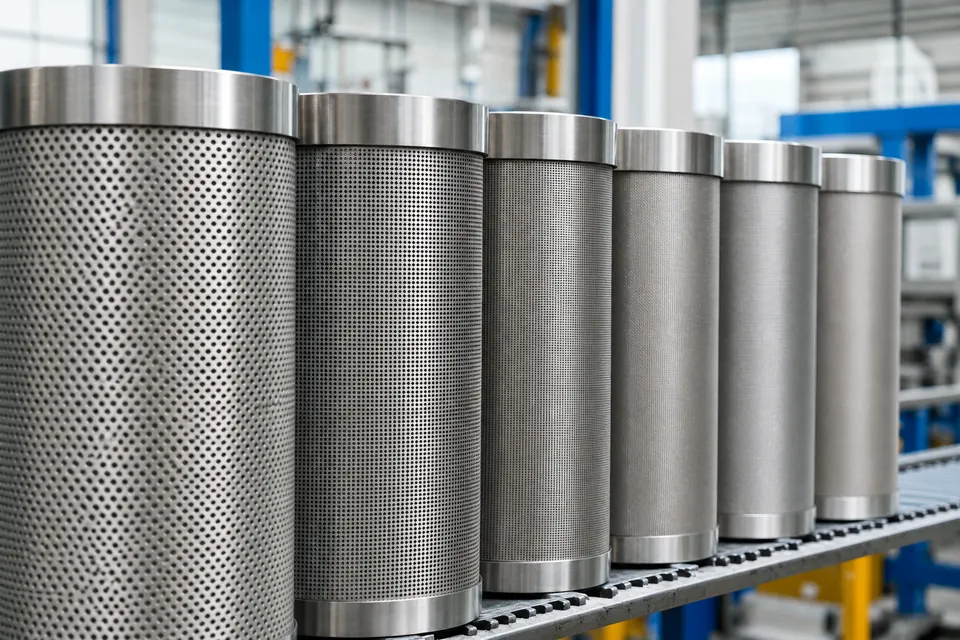
The workhorse range: 17, 25, 30, 40, 60, 70, 80, 100, 125, 125V, 135, 155 and 165 mesh. Open area, thickness and circumference held even from the sides to the middle of the screen.

Textile Chemistry · Rotary Printing Screens
Americascreens rotary screens for textile printing. EC and GD nickel screens from 17 to 195 mesh, R640 to R914 end rings and the emulsions to make the screen, out of a plant that turns out 500,000 screens a year.
Product detail
The catalogue covers the rotary screen itself in two families, the Stork-type end rings, and the full list of photoemulsions and auxiliaries for both rotary and flat screen making. Screens are packed 10 or 20 to a box by length and circumference.
Mesh 17 to 165
The workhorse range: 17, 25, 30, 40, 60, 70, 80, 100, 125, 125V, 135, 155 and 165 mesh. Open area, thickness and circumference held even from the sides to the middle of the screen.
Mesh 135 to 195
135GD, 165GD and 195GD for fine lines and half tones. Same circumferences and lengths as EC, from 1,410 to 3,500 mm, printing widths 1,280 to 3,200 mm.
Stork type · rotary and flat
R640 to R914 Stork-type end rings with two and one component binder plus remover. Blue and milk-white photoemulsion, blue-ray emulsion for digital exposure, photosensitizer, retouching glue and stripper for rotary and flat screens.
Where it goes
Before you order
A continuous method. The design sits on a cylindrical nickel screen that turns with the fabric, and a squeegee inside pushes the paste through the open mesh. One screen per color, so an eight color design runs eight cylinders in line at high speed.
Flat and rotary. Flat screens step along the table and suit short runs and large repeats. Rotary runs continuously and pays off on volume. Americascreens supplies the rotary screens and end rings, plus emulsions for both flat and rotary screen making.
Match the mesh to the design. Blotches and heavy coverage print well at 17 to 60 mesh. General work sits between 80 and 125. Fine lines and half tones need the GD range at 135, 165 or 195 mesh.
200 mesh. Mesh counts openings per inch, so a higher number means more, smaller openings, finer detail and less paste through the screen. That is why half tones move to 165GD and 195GD while blotches stay low.
Yes. Cotton takes reactive and pigment printing, and the screen does not care which dyestuff you use. Tell the printing team the fabric, the repeat and the design and they name the mesh, the circumference and the length for your machine.
Strategic partners
Write directly to the partner team, or send the short application. It reaches Hongda's partner team by email.
info@hongda-chem.comOr call the group directly: +86 574 87907888