Rapid dyeing · microfiber
AC-E series
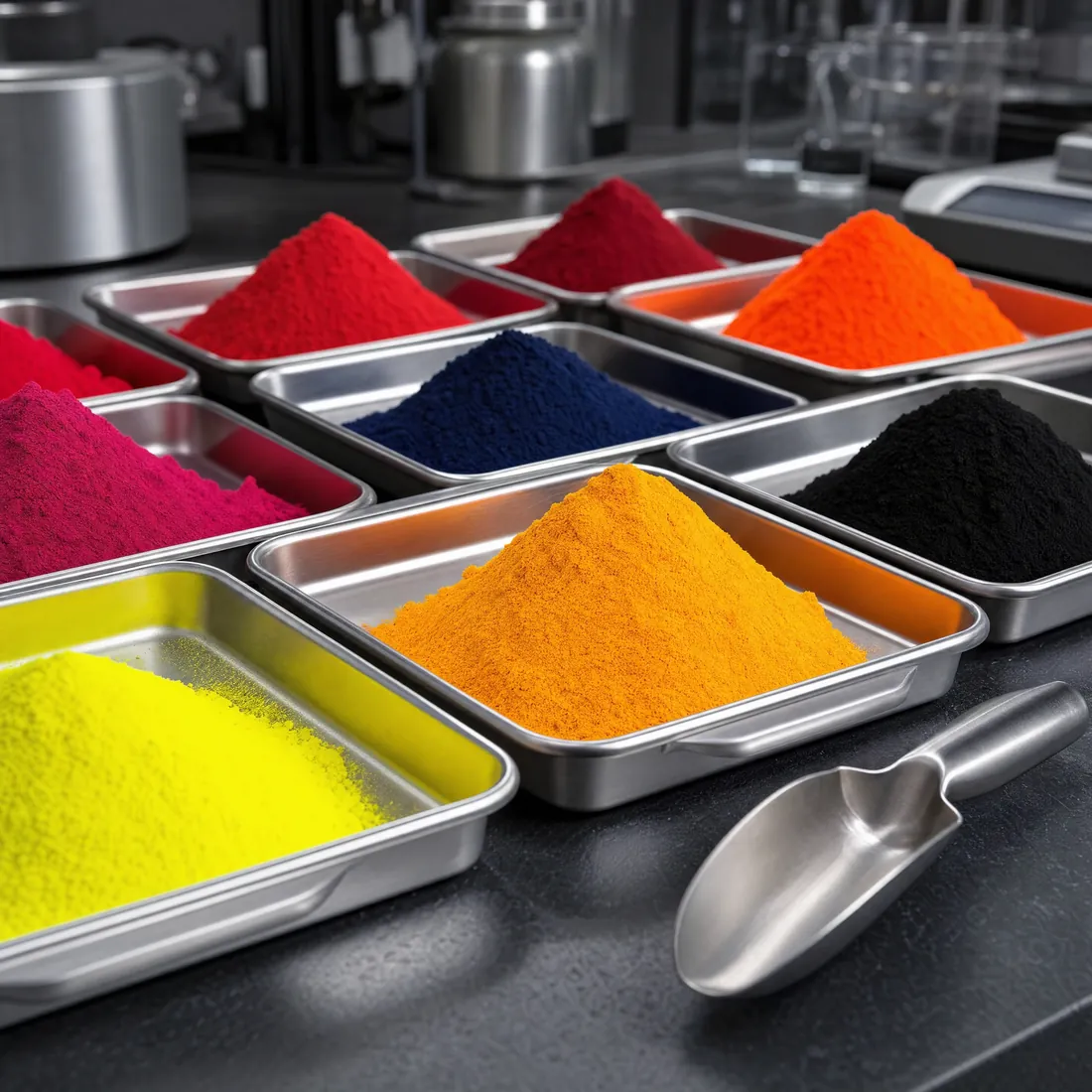
100% strength. Wide pH window, 4 to 10, and light fastness 6 to 7 on yellow, red and blue. Built for short cycles and microfiber.

Textile Chemistry · Disperse Dyes
Dragonperse disperse dyes for polyester and microfiber. AC-E and UN-SE for short cycles, CXF when the fabric goes through heat setting, and every shade carries its C.I. number and fastness data.
Product detail
Dragonperse (龙牌) is the Hongda disperse dye brand. Every shade in the brochure lists dyeing depth in % owf, C.I. Disperse number, light fastness (xenon), washing at 60°C, sublimation at 180°C, perspiration and rubbing, wet and dry.
Rapid dyeing · microfiber
100% strength. Wide pH window, 4 to 10, and light fastness 6 to 7 on yellow, red and blue. Built for short cycles and microfiber.
Rapid dyeing · deep shades
200% strength for depth: yellow, orange, red, rubine, blue and navy. Level dyeing on microfiber, pH 3 to 8.
High fastness
Sublimation 4 to 5 at 180°C and washing 4 to 5 at 60°C across the range. Nine shades, from Yellow CXF-6G to Black CXF-R.
Where it goes
Before you order
Disperse dyes color polyester and other synthetic fibers. They carry no charge, so they enter the fiber under heat instead of bonding to it the way a reactive dye bonds to cotton. Dragonperse covers polyester fabric and yarn, microfiber, and blends that go through heat setting.
The trade sorts them by energy: E for low, SE for medium, S for high. Dragonperse covers the three. AC-E and RD-E give level pale shades, UN-SE at 200% strength goes deep, and CXF holds sublimation 4 to 5 at 180°C when the article is heat set or hot washed.
Disperse dyes. Reactive and direct dyes need sites on the fiber to bond to, and polyester has none. On polyester and cotton blends you dye in two steps: disperse first for the polyester, reactive after for the cotton.
Most mills run high temperature exhaust in a jet at around 130°C, then reduction clearing. Carrier dyeing near the boil and continuous thermosol are the other two routes. The brochure gives the pH window per series: 4 to 10 for AC-E, 3 to 8 for UN-SE.
3204.11 covers disperse dyes and preparations based on them. Your broker adds the local suffix. Send the textile team your destination port and they put the exact code on the proforma.
Strategic partners
Write directly to the partner team, or send the short application. It reaches Hongda's partner team by email.
info@hongda-chem.comOr call the group directly: +86 574 87907888