
One Material a Day: Titanium Dioxide
Titanium dioxide is the most widely used white pigment today. This profile covers its grades, composition and properties, applications, market prices, main brands, buying tips, storage and safety, and the main industry standards.
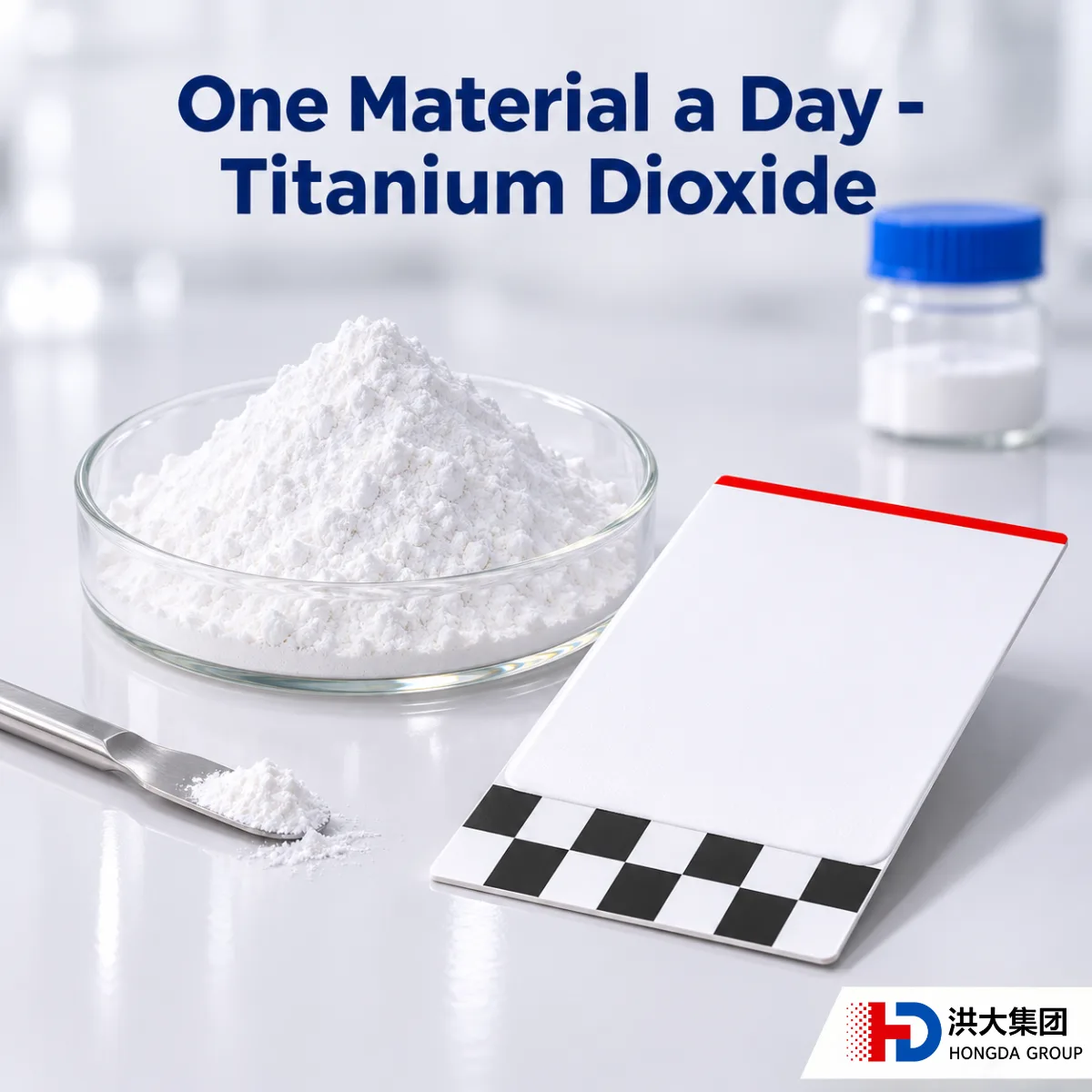
Titanium Dioxide
1. Material Overview
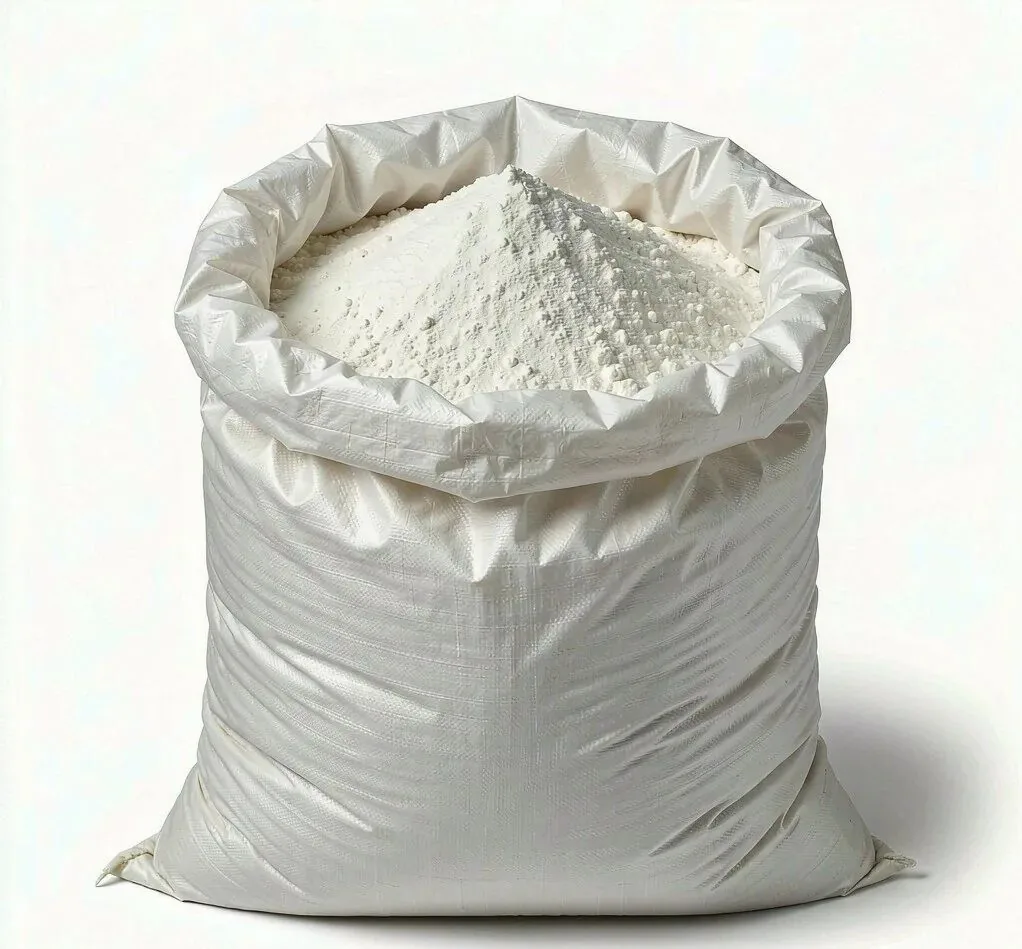
Titanium white is the common name of titanium dioxide, chemical formula TiO₂, CAS number 13463-67-7. It is the most widely used white pigment today. Its hiding power, whiteness and tinting performance rank among the best of all white pigments, and it is widely used in coatings, plastics, paper, inks, cosmetics and food contact materials. In nature it occurs mainly in two crystal forms, rutile and anatase, and industrial production usually uses either the sulfate process or the chloride process.
| Chemical formula | CAS No. | Crystal form | Density | Appearance |
|---|---|---|---|---|
| TiO₂ | 13463-67-7 | Rutile/Anatase | 3.8~4.2 | White powder |
2. Grades and Types
| Product type | Common specification | Features |
|---|---|---|
| Rutile R2 | Sulfate/chloride process, TiO₂≥92% | Good weather resistance and strong hiding power, suited to outdoor coatings and plastic products |
| Anatase A1 | Sulfate process, TiO₂≥98% | High whiteness and lower cost, mostly used indoors and in photocatalysis |
| Plastics grade | Organic surface treatment | Good dispersibility, high heat resistance, no migration |
| Food/pharmaceutical grade | High purity, low heavy metal content | Complies with GB 1886.341 and other food-related standards |
3. Chemical Composition and Properties
Applicable standard: GB/T 1706-2006 "Titanium Dioxide Pigments"
Chemical Composition
| Component | Content (%) | Component | Content (%) |
|---|---|---|---|
| TiO₂ | ≥92 (rutile) | Al₂O₃/SiO₂ | Coating layer |
| TiO₂ | ≥98 (anatase) | Organic treatment agent | 0.1~1 |
| Fe₂O₃ | ≤0.05 | Moisture | ≤0.5 |
Physical and Mechanical Properties
| Property | Value | Unit | Property | Value | Unit |
|---|---|---|---|---|---|
| Density | 3.8~4.2 | g/cm³ | Refractive index (rutile) | 2.71 | — |
| Mohs hardness | 5.5~6.5 | — | Refractive index (anatase) | 2.55 | — |
| Melting point | approx. 1843 | °C | Oil absorption | 15~25 | g/100g |
| pH | 6.5~8.5 | — | Particle size (D50) | 0.2~0.4 | μm |
| Heat resistance | >1000 | °C | Hiding power | High | — |
4. Functions and Uses
Key Advantages
• Its hiding power is about 3 times that of lithopone, so less is needed for the same whiteness, which effectively lowers formulation cost.
• It is chemically stable: at room temperature it does not react with most acids, alkalis and solvents, and it has excellent weather resistance.
• It is non-toxic and harmless, and high-purity grades can be used in food packaging, pharmaceutical coatings and cosmetic sunscreen products.
• It has outstanding UV-shielding ability, and the rutile form is especially suited to outdoor coatings and sunscreen products.
• Its downstream applications are wide, covering coatings, plastics, paper, inks, chemical fibers, ceramics and many other industries.
Limitations
Its price is strongly affected by fluctuations in the titanium ore and sulfuric acid markets. The anatase form has poor weather resistance and tends to chalk and yellow outdoors. The powder agglomerates easily, and uneven dispersion affects the gloss and hiding power of the final product. Chloride-process products perform better, but the investment threshold is higher.
5. Application Areas
| Industry | Typical products/uses |
|---|---|
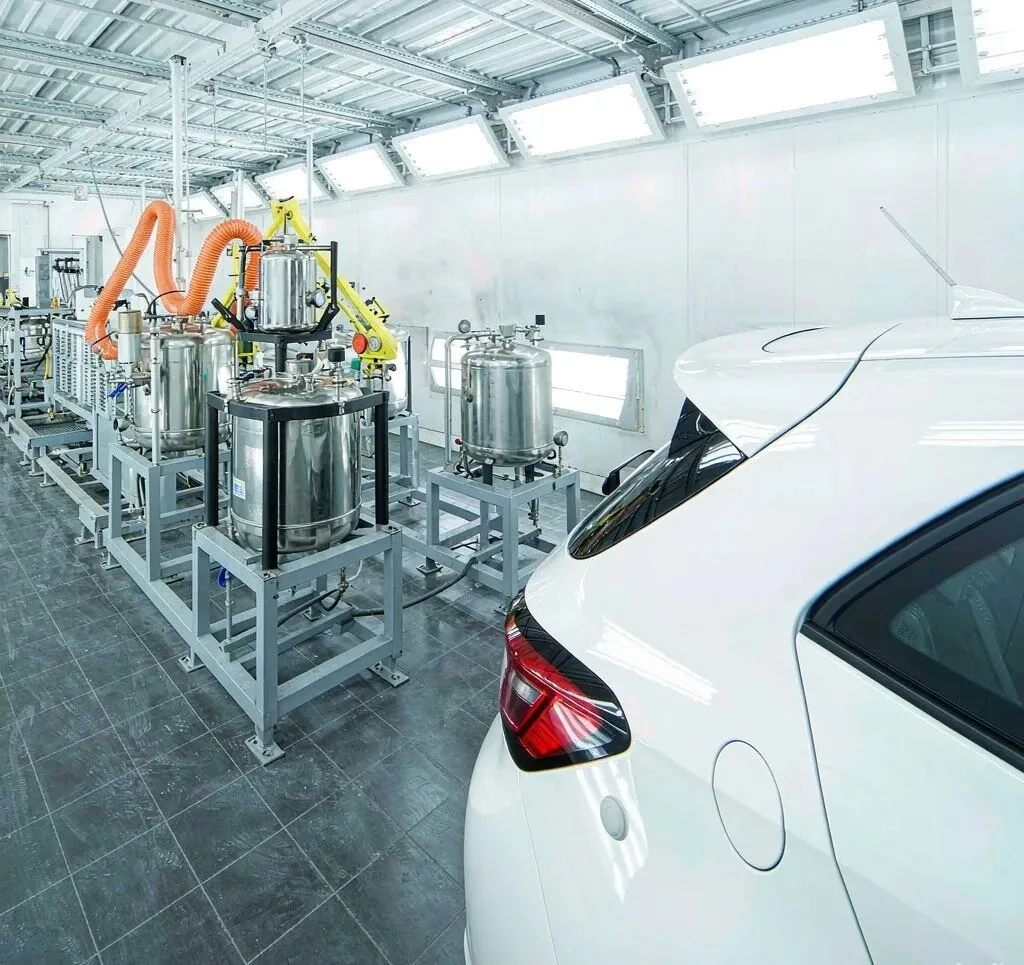
| Coatings | Interior and exterior wall paints, automotive paints, marine paints, powder coatings |
| Plastics | PVC profiles, color masterbatch, plastic film, pipes |
| Paper | Used as a paper filler and coating to improve whiteness and opacity |
| Inks | White pigment for printing inks |
| Cosmetics | Sunscreen, foundation, toothpaste |
| Food and pharmaceuticals | Food coloring, tablet coating, capsules |
6. Market Prices
Data date: October 2026 | Sources: SunSirs titanium dioxide index, Baidu Aicaigou B2B quotes
| Product | Specification | Reference price | Unit |
|---|---|---|---|
| Domestic rutile | Sulfate process | 12,000~16,000 | CNY/t |
| Domestic anatase | Sulfate process | 10,000~12,000 | CNY/t |
| Imported chloride process | Chemours R-706 | 26,000~28,000 | CNY/t |
| Food grade | High-purity TiO₂≥99% | 28,000~35,000 | CNY/t |
Note: In May 2026 the SunSirs reference price for titanium dioxide was about 17,200 CNY/t. Coatings-grade and plastics-grade products differ in price because of their different surface treatment processes.
7. Main Brands
| Brand | Type | Core strength |
|---|---|---|
| Chemours | International | Comes from the former DuPont titanium dioxide business and represents high-end chloride-process products |
| Tronox | International | One of the major titanium dioxide producers worldwide |
| LB Group (Lomon Billions) | Domestic | The largest titanium dioxide company in China, with both sulfate and chloride process technology |
| CNNC Hua Yuan Titanium Dioxide | Domestic | Large rutile capacity and a broad customer base in coatings |
| Annada | Domestic | Covers the full range of anatase and rutile products |
8. Buying Guide
How to Check Quality
1. Check the crystal form test report: rutile suits outdoor uses, anatase suits indoor uses and photocatalysis.
2. Test dispersion: add a small sample to a standard resin or solvent and see whether it disperses quickly and whether any undispersed particles remain.
3. Check heavy metal content: for food-grade and cosmetic-grade products, ask the supplier for a heavy metal test report issued by SGS or another third-party laboratory.
Pitfalls to Avoid
1. Never use industrial-grade titanium dioxide in food or cosmetics, as it may exceed heavy metal limits.
2. If anatase is used in an outdoor coating, the coating will chalk quickly; rutile is required.
3. Titanium dioxide priced too low may be adulterated with lithopone, calcium carbonate powder or recycled material, which significantly reduces hiding power.
9. Storage, Transport and Safety
1. Store in a cool, dry place to avoid moisture and caking, keeping the relative humidity below 60%.
2. Once opened, use it up as soon as possible to keep moisture absorption from affecting dispersion.
3. During transport, prevent damage to the packaging and do not ship it together with acids, alkalis or reducing agents.
4. Operators should wear dust masks and safety goggles to avoid inhaling the dust.
10. Main Industry Standards
| Standard No. | Standard name |
|---|---|
| GB/T 1706-2006 | Titanium dioxide pigments |
| GB 1886.341-2021 | National food safety standard, food additive, titanium dioxide |
| GB/T 1954-2015 | Rutile titanium dioxide |
| ISO 591-1 | Titanium dioxide pigments, specifications and methods of test |
| ASTM D476 | Standard classification for titanium dioxide pigments |
11. Frequently Asked Questions
Q: How do I choose between rutile and anatase?
A: Rutile is the better choice outdoors and wherever weather resistance and hiding power matter most, for example in exterior wall coatings, automotive paints and outdoor plastic products. Anatase can be chosen for indoor use, when high whiteness is required, when the budget is lower, or for photocatalysis.
Q: Is titanium dioxide harmful to people?
A: Inhaled industrial dust irritates the respiratory tract, so a protective mask should be worn during handling. Food-grade and cosmetic-grade titanium dioxide produced in compliance with regulations is safe within the specified dosage; however, the use of nano titanium dioxide is currently disputed in some countries, and local regulations must be followed.
Q: Why do products all labeled rutile differ so much in price?
A: The sulfate and chloride processes have different production costs, and chloride-process products have higher purity, more uniform particle size and fewer impurities, so they sell at a higher price. Surface treatment, brand positioning, heavy metal control and other factors also affect the final price.