
Feeding the Fire of a Growing Industry
By 1997, the Chinese dye industry was hungry, and growing fast.
Bifunctional reactive dyes, which we had pioneered just three years earlier, were no longer a novelty. They were becoming the standard. Textile mills across the country were switching to them for their superior performance. Demand was exploding.
But there was a problem. China couldn't produce enough of the raw materials to keep up.
The key ingredients, K acid, sulphur-based intermediates and Tobias acid, were largely imported or in short supply. Without them, the entire bifunctional dye revolution would stall. HONGDA saw the gap, and once again, we stepped into it.
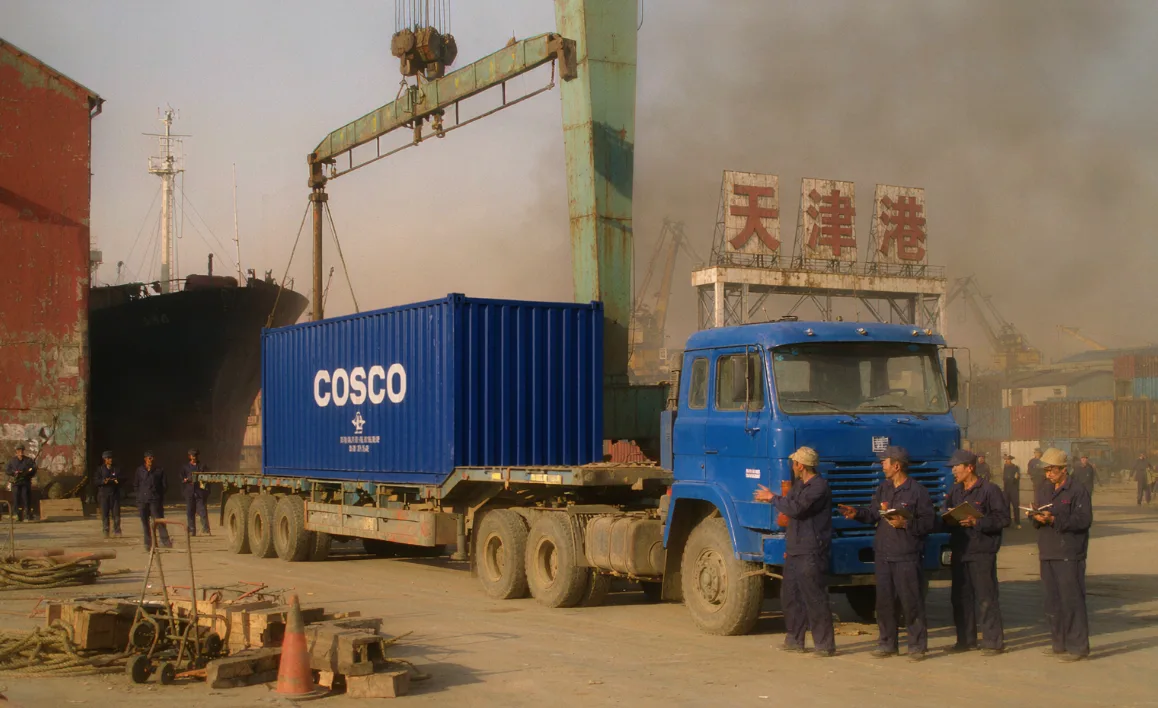
We looked to India, a nation with mature bifunctional technology and established production of critical intermediates. We began importing K acid, sulphur Tobias acid, and other essential materials, not just to serve our own production, but to meet the needs of the entire Chinese market.
At the same time, we made a deeper commitment. We partnered with Tianjin Greatwall Chemical Plant to jointly develop and produce bifunctional dyestuff intermediates right here in China. This wasn't just about trade. It was about building capability. We were transferring knowledge, developing local production, and reducing China's dependence on imports.
The result: HONGDA became one of the biggest suppliers of reactive raw materials in the country. We weren't just making dyes anymore. We were feeding the fire of an entire industry.