Blog

Technical notes from the lab.

Formulations, application guidance and product chemistry, written for the people who use these materials in production.

All topics
How Can Buyers Lock In Long-Term Supply Costs When Chemical Raw Material Prices Fluctuate?
Pigments & Colorants

How Can Buyers Lock In Long-Term Supply Costs When Chemical Raw Material Prices Fluctuate?

To lock in long-term supply costs, write the pricing mechanism into the agreement. A framework agreement with periodic pricing, a price formula tied to base raw materials, a price band in exchange for committed volumes, scheduled deliveries with safety stock, and a manufacturer that keeps quality consistent: together, these five keep price swings within a range you can absorb.

Read the full article →
What Are Disperse Dyes, and Why Do They Work on Polyester?
Textile Chemistry

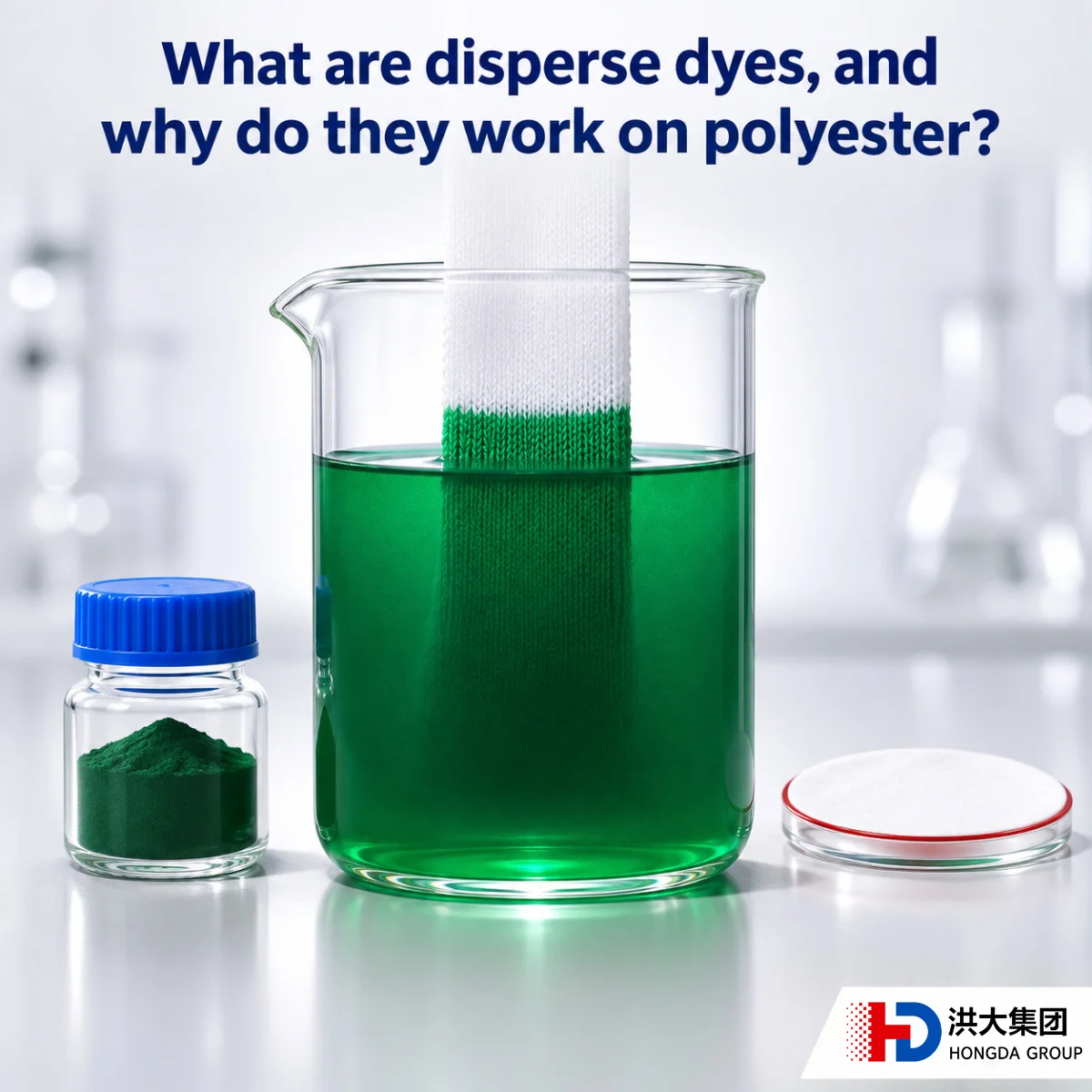
What Are Disperse Dyes, and Why Do They Work on Polyester?

Disperse dyes are a class of nonionic dyes that are almost insoluble in water. Polyester fiber has no ionic groups that can bind a dye, and its structure is tight and hydrophobic, so water-soluble dyes cannot take hold. Disperse dyes stay suspended in the dyebath as fine particles with the help of a dispersant; at high temperature, as the fiber's molecular chains loosen, they dissolve into the fiber, and once it cools they are locked inside.

Read the full article →

How Do You Check That a New Dye or Pigment Works in Your Existing Formula When You Change Suppliers?
Pigments & Colorants

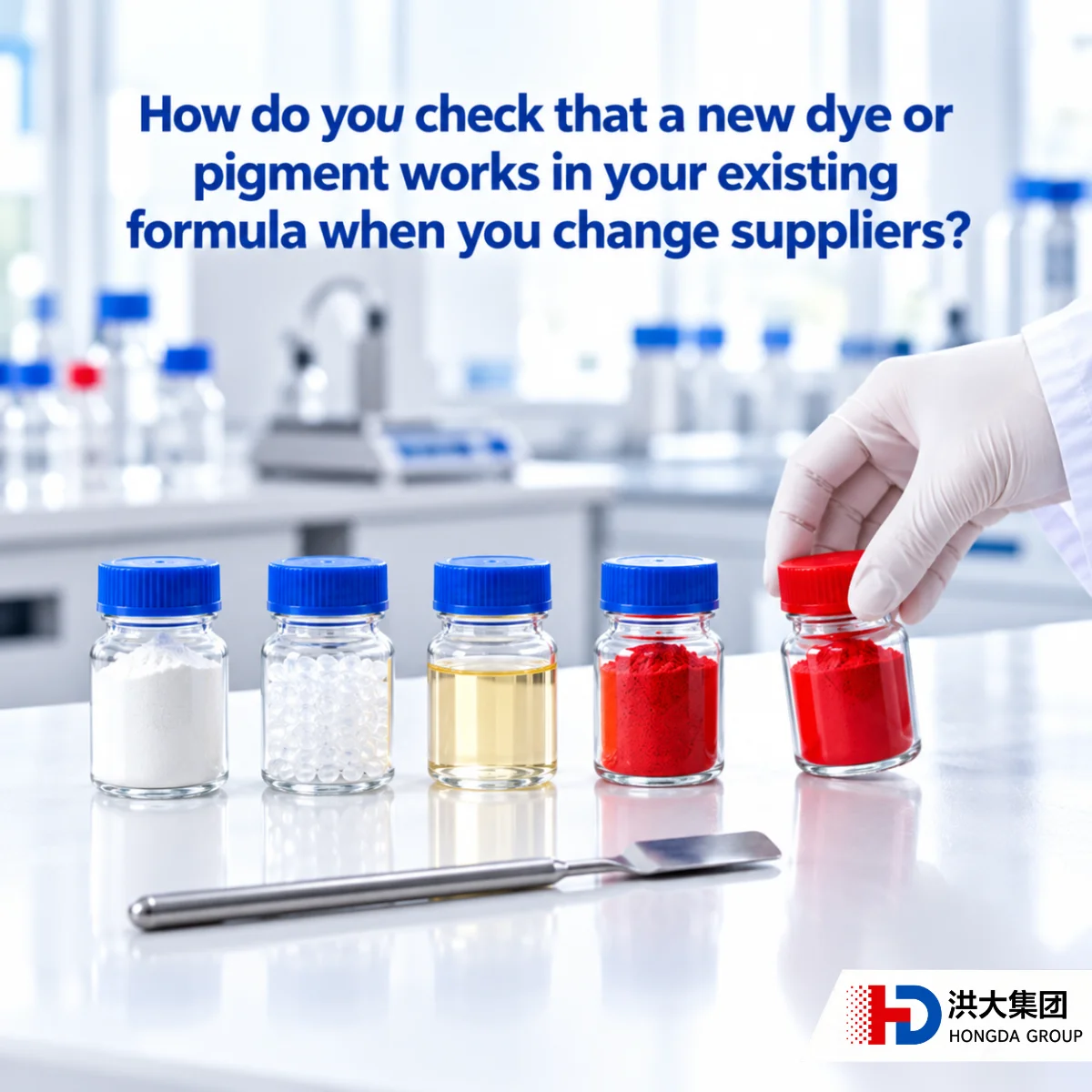
How Do You Check That a New Dye or Pigment Works in Your Existing Formula When You Change Suppliers?

To confirm that a new product is compatible with your existing formula, work in four steps: check its identity and composition on paper, run a side-by-side lab comparison with your existing formula and process, run a small production trial, and finally sample and retain the first commercial shipment. A close color match is only the first hurdle; dispersion, processing and fastness each need to be confirmed one by one.

Read the full article →
What Is a Custom Dye Color Matching Service, and How Is It Different From Standard Dyes?
Textile Chemistry

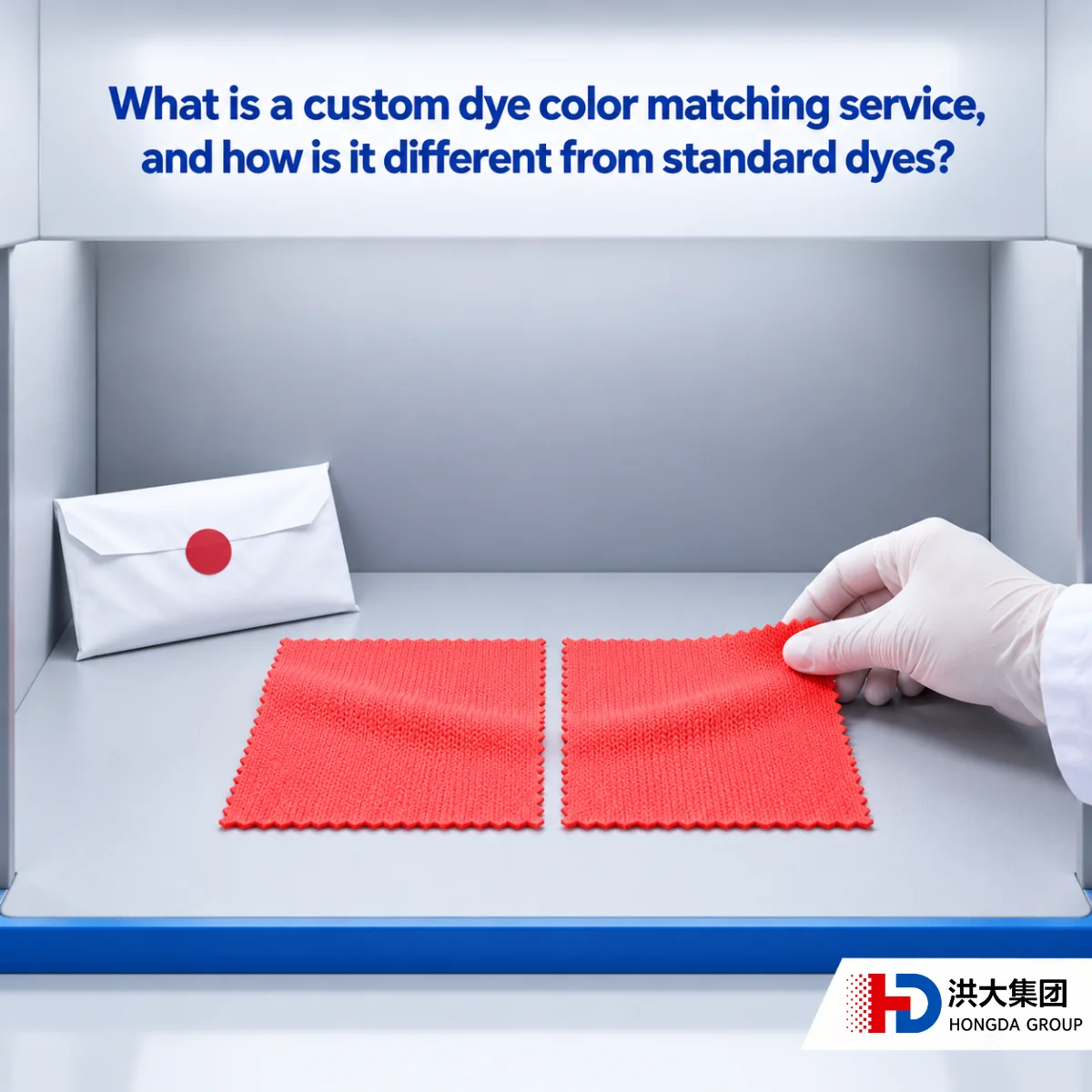
What Is a Custom Dye Color Matching Service, and How Is It Different From Standard Dyes?

Standard dyes are single shades supplied at a uniform strength and shade, and your own lab does the color matching. With a custom color matching service, the supplier designs the recipe from your color sample, delivers either the recipe or a premixed product, and takes responsibility for the color under the agreed light sources and color difference tolerance. The difference lies in who designs the recipe, who answers for the color, and which orders each approach suits.

Read the full article →
What Technical Documents Should You Check When Importing Dyes and Pigments From China?
Pigments & Colorants

What Technical Documents Should You Check When Importing Dyes and Pigments From China?

When importing dyes and pigments from China, confirm four types of documents: the technical data sheet, which tells you whether a grade will work; the certificate of analysis, which proves that a specific batch meets specification; the safety data sheet, which supports safe transport and safe handling in your plant; and the documents required for customs clearance and for the regulations of the target market. The product name, CAS number, batch number and codes must match across all of them.

Read the full article →
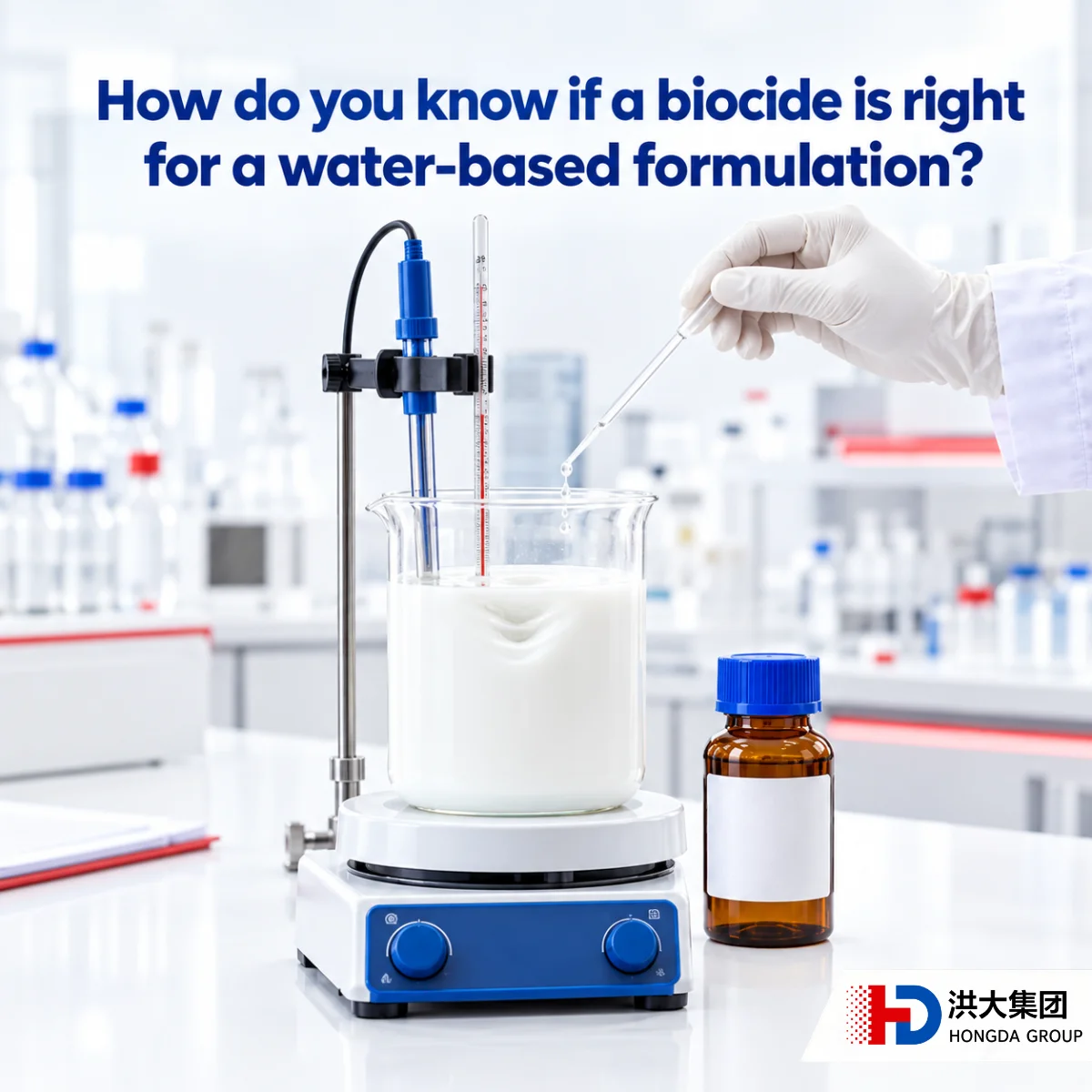
How Do You Know If a Biocide Is Right for a Water-Based Formulation?
Functional Chemicals

How Do You Know If a Biocide Is Right for a Water-Based Formulation?

To judge whether a biocide suits a water-based formulation, check whether the active ingredient stays stable at the product's pH and process temperature, whether formulation components consume it, whether its spectrum covers the microorganisms actually contaminating the product, and whether it meets the regulations of the target market. Then confirm the choice with residue testing after storage and a challenge test.

Read the full article →
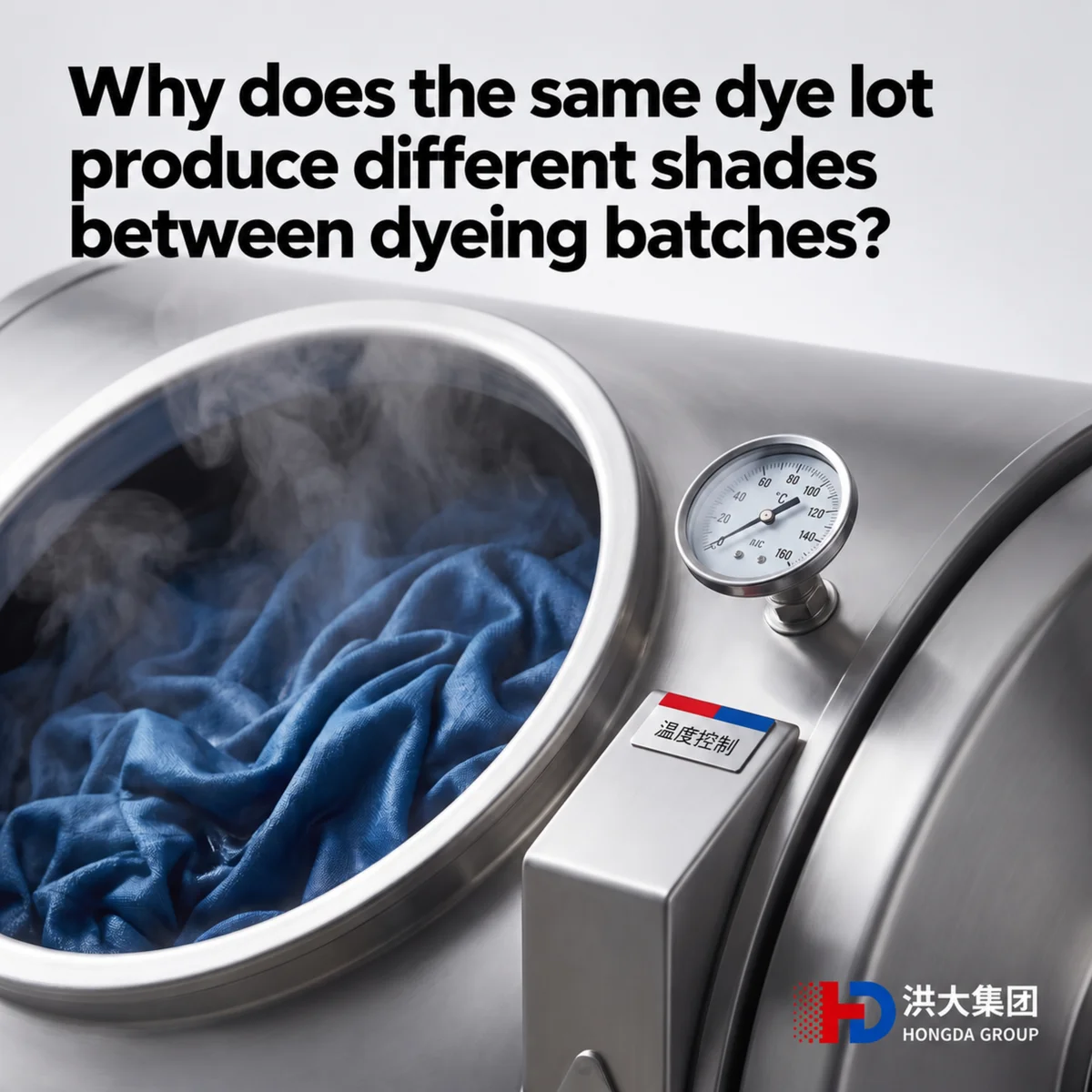
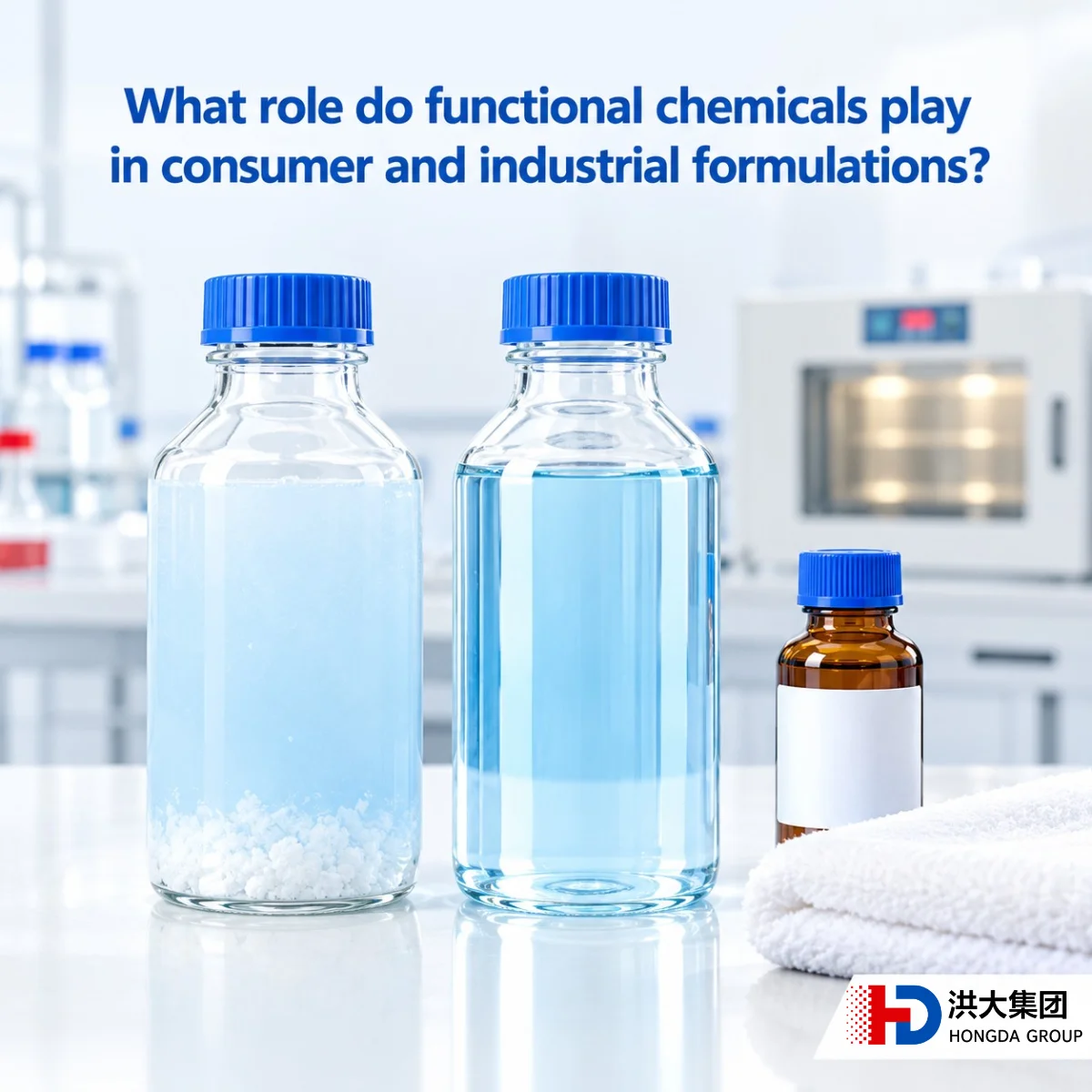
What Role Do Functional Chemicals Play in Consumer and Industrial Formulations?
Functional Chemicals

What Role Do Functional Chemicals Play in Consumer and Industrial Formulations?

Functional chemicals usually make up a small share of a formulation, yet they determine whether the product delivers the function it was designed for, handling tasks such as cleaning and emulsifying, softening and antistatic action, flocculation, preservation and catalysis. They interact with one another, so they have to be evaluated against the system as a whole when they are selected.

Read the full article →
Strategic partners

Ready to represent Hongda in your market?

Write directly to the partner team, or send the short application. It reaches Hongda's partner team by email.

Textile Chemistry
Pigments & Colorants
Performance Additives
Functional Chemicals

info@hongda-chem.comOr call the group directly: +86 574 87907888

Please enter your name.
Tell us your company
Please enter a valid email.
Please tell us your market.
Please describe your business.